
Letter 29 - 2024
Lost and Found Type, Going Full-Color, Agentic Design in Action

You’re getting this message because at some point you signed-up on my Twitter Medium LinkedIn or Insta. There are three sections: Story, Art, and Design.
(To all the new readers… here’s a quick bio on me, just in case you can’t quite remember…)
Always free. Always interesting.
STORY
Lost and Found Type
124 years ago, best friends Thomas James Cobden-Sanderson and Emery Walker, happy and filled with an urge to create—not just wealth but also beauty—started a press named joyously after the pub where they cooked up the idea, Doves. The Doves Pub spawned Doves Press, and Doves Press spawned one of the most legendary typefaces in modern printing—Doves Roman. An update of faces from Venetian printers Nicolas Jenson and Jacobus Rubeus, this new typeface would strive “to attack the problems of Typography” by becoming invisible, refusing to call attention to itself or pull emphasis away from “the thing intended to be conveyed.”
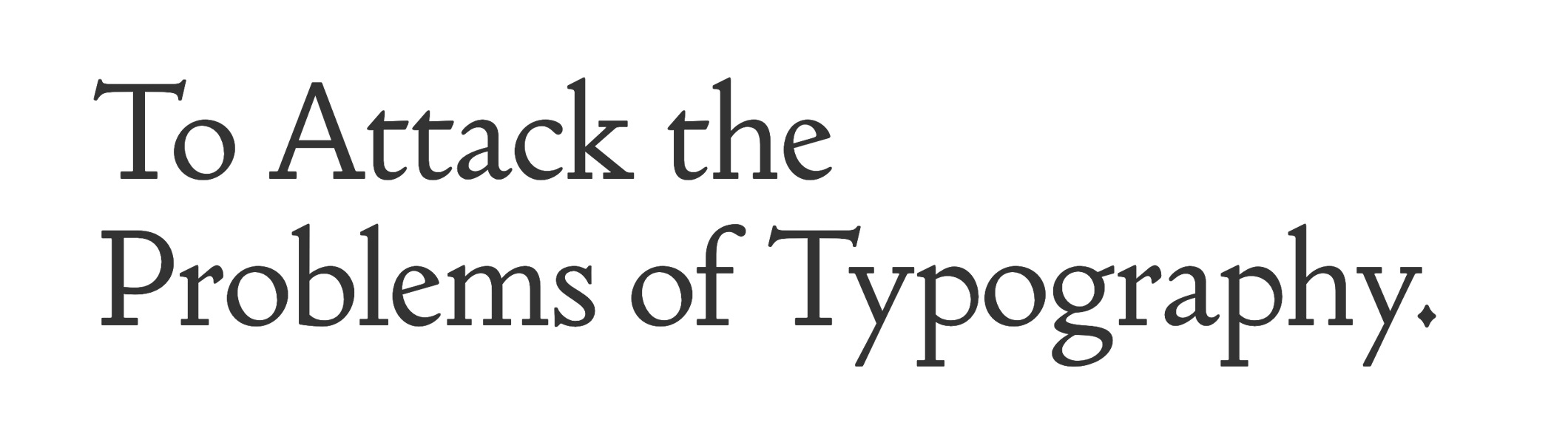
The two friends, Cobden-Sanderson and Walker—along with punch-cutter, Edward Prince—created what would become the face that was used to create what many people believe to be some of the finest quality books ever printed in Britain.
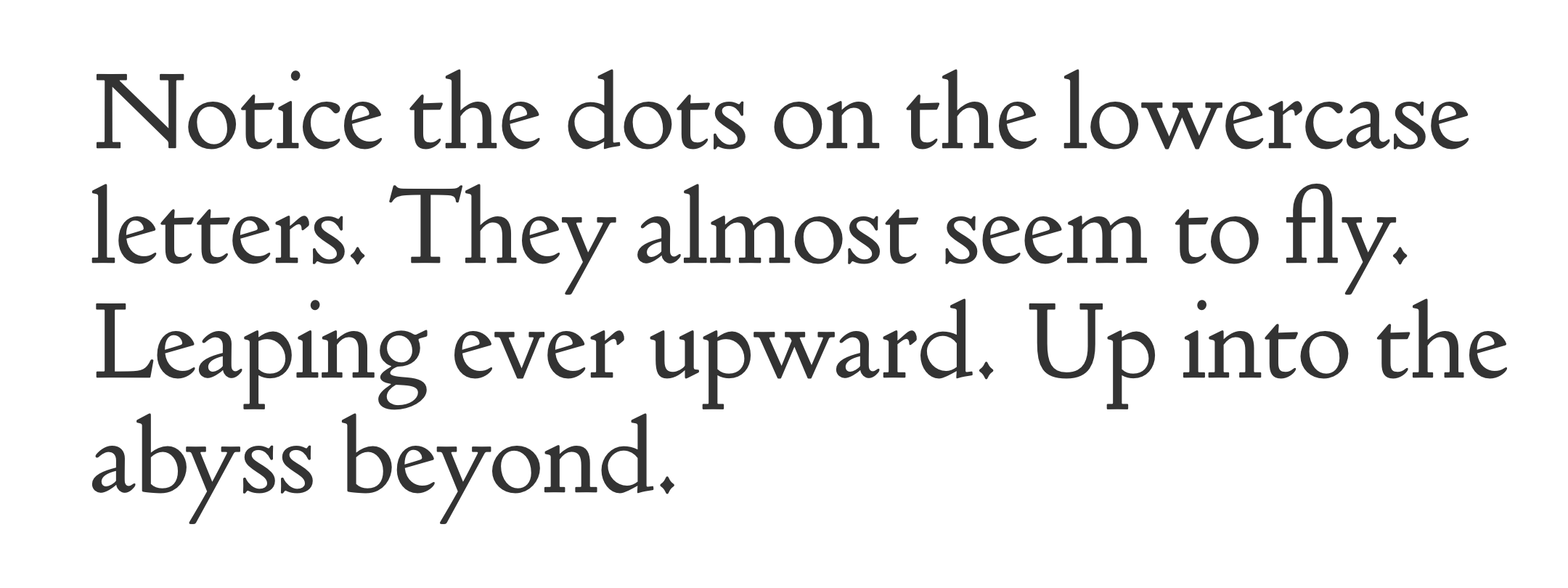
The face had a strong personality. Notice the “i” how the dot seems to leap to the great beyond. It almost flies. As if tossed off a bridge over the river Thames. And held in suspension for just a moment. Frozen in time.
So revolutionary were Cobden-Sanderson’s ideas on type and the face that the team produced, that we see its influence echoed decades after by Beatrice Warde in her essay on transparent typography “The Crystal Goblet” as well as in Jan Tschichold’s “Die Neue Typographie.”
But then everything fell apart.
The friendship exploded.
The business ended.
And rather than allow a shadow of their former greatness to live on, rather than to embrace a live-and-let-live attitude, Cobden-Sanderson had felt that his partner in art had long-since given up and that this was unforgivable. So instead of fading calmly into the night, Cobden-Sanderson decided to destroy it all. He threw the type into the Thames. All of it. All the lead. All the drawings. All Gone. Lost forever.
Until…
Until it was not.
Type designer Robert Greene was at work creating a facsimile of Doves based on the printed books beloved by collectors and type designers when he realized he had enough evidence from journals and records to go looking for the actual, physical, metal type. He went to the precise location of the river at low tide… and found a few pieces. This launched a search and rescue operation and the results were over 150 pieces fully recovered.
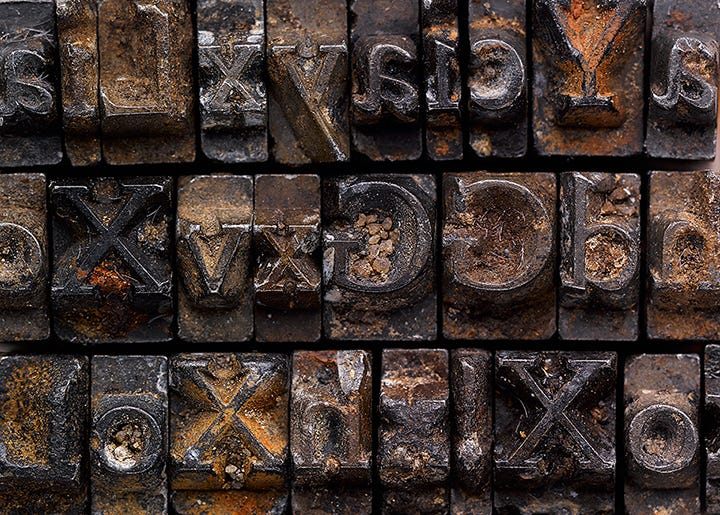
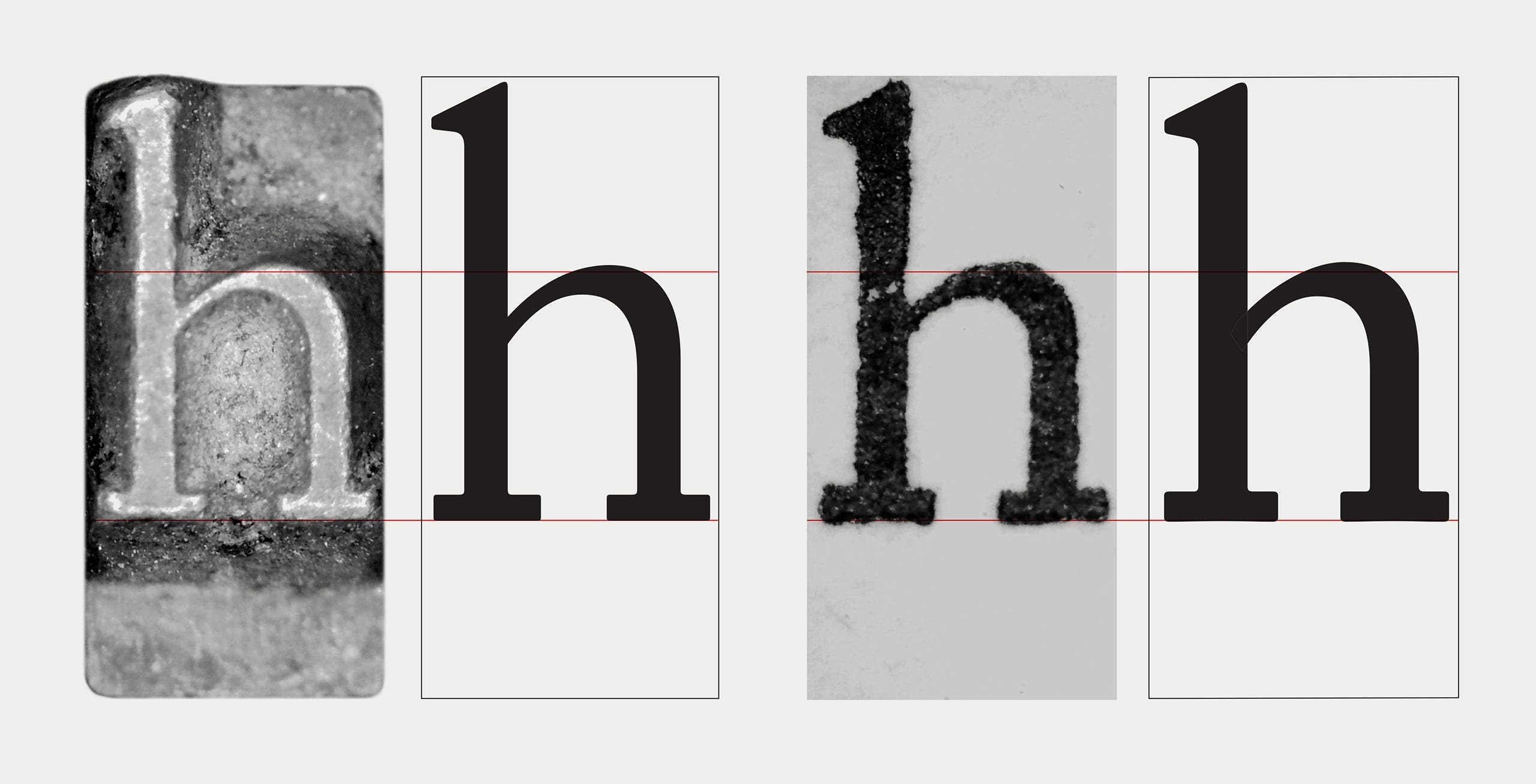
These were added to his revival-facsimile of Doves, which is available for us to use today.
Greene describes a moment when the bulk of the pieces were found. It felt as if time had collapsed, as if Cobden-Sanderson had just thrown them from the bridge and he had, in that very same moment, been there to catch them. Time—gone, collapsed, warped, and restarted—had folded in front of him and, like a portal or rift, this magical moment of art had slipped right through time and back into our hands.
ART
Going Full-Color
I started a new painting. And for the first time in a long time it is not ~only~ blue. I had very good reasons for the long stretch of blue paintings. My once blood-filled eye messed with my color perception, the long history of non-photo-blue in illustration, an urge for a recognizable & cohesive body of work… etc. As well as a very solid conceptual reason about how the single-hue opens the door to imagination. How we stop fighting the image and embrace the imaginative narrativity of it all.
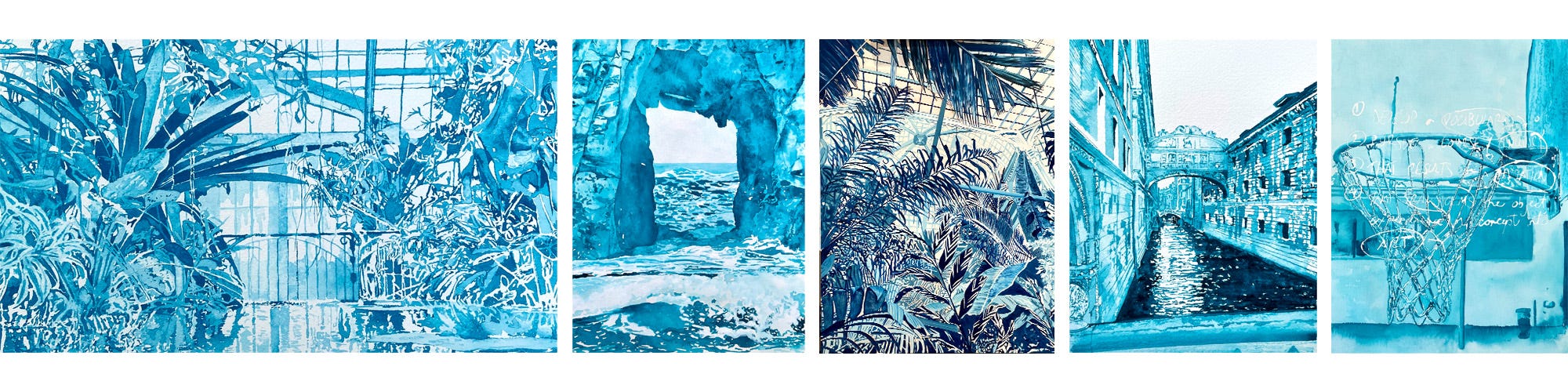
But then, I decided to try something new. I’m painting a scene from a park just outside London. It’s a lovely park. Perfectly fine. It was also the shooting location of Antonioni’s Blow Up. I went on a pilgrimage to see the park with AK, whom I met in 1992 at RISD. We went through the painting program together (even though I was technically enrolled at Brown (and sometimes not actually enrolled anywhere when I ran out of money for a few quarters)). We were (and remain) a good team. At one point we re-created the interior courtyard of Hitchcock’s Rear Window in a very early VR-style project… Video installation at the far edge of what computer graphics could do in the 90s.
The movie Blow Up had been a useful frog to dissect as we sifted through semiotics, cinematic narrativity, and painting in the age of the machines. Thirty years later, we went to see the location where it was shot. In the film the park is tidy. Picture perfect. Now it is overgrown in places, the vegetation shifted with the five decades since shooting. But it was a friendly ghost.
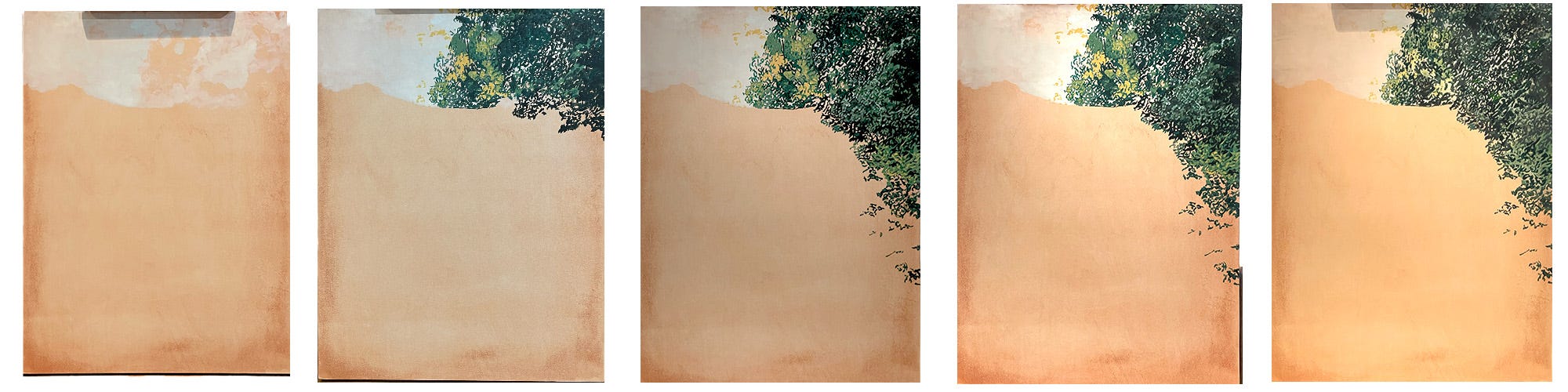
Painting foliage from a photograph of a place you’ve seen (and now try to remember) can trick you—are those yellow leaves? Or green leaves that look yellow when the bright light of the sun shines through them? Are those “light blue” sections reflected light on the top planes of the leaves or holes in the foliage where one can glimpse a punched-out puzzle piece of sky? Is it best to darken viridian with black or an opposing pigment (like say, red?) Do I want contrasting temperature undertones or complementary ones? Do I paint each leaf, like Andrew Wyeth’s fields of grass? or is it better to indicate or almost obscure? Blur? No Blur? How fat or thin the medium? Onward. More work ahead. I’m painting on wooden panel. Beautiful, flat, impossibly clean panels.
DESIGN
Agentic Design in Action
I’m hard at work on codifying the Agentic Design process I dreamed up a few months ago. We had two workshops (one in SF, one in NY) to talk through how artists, designers, and writers might follow the Agentic Design process to create digital tools, products, and experiences that previously were only available to traditional programmers.
I take seriously my role of evangelizing the rise of the artist who can build her dreams and Augment her Imagination with AI. I’ll share all the results once I have them all written out… the process, the approach.
But in the meantime… I’ve been trying to actually do it.
Who cares about a “big idea” if you can’t actually roll up your sleeves and do it. So every week I’ve been creating projects that previously could only have been done if you were a traditionally trained engineer. Backend, frontend, interaction, etc.
Here are two recent examples to give you an idea:
Danceweek
Cicero’s Gist
Dance Week.
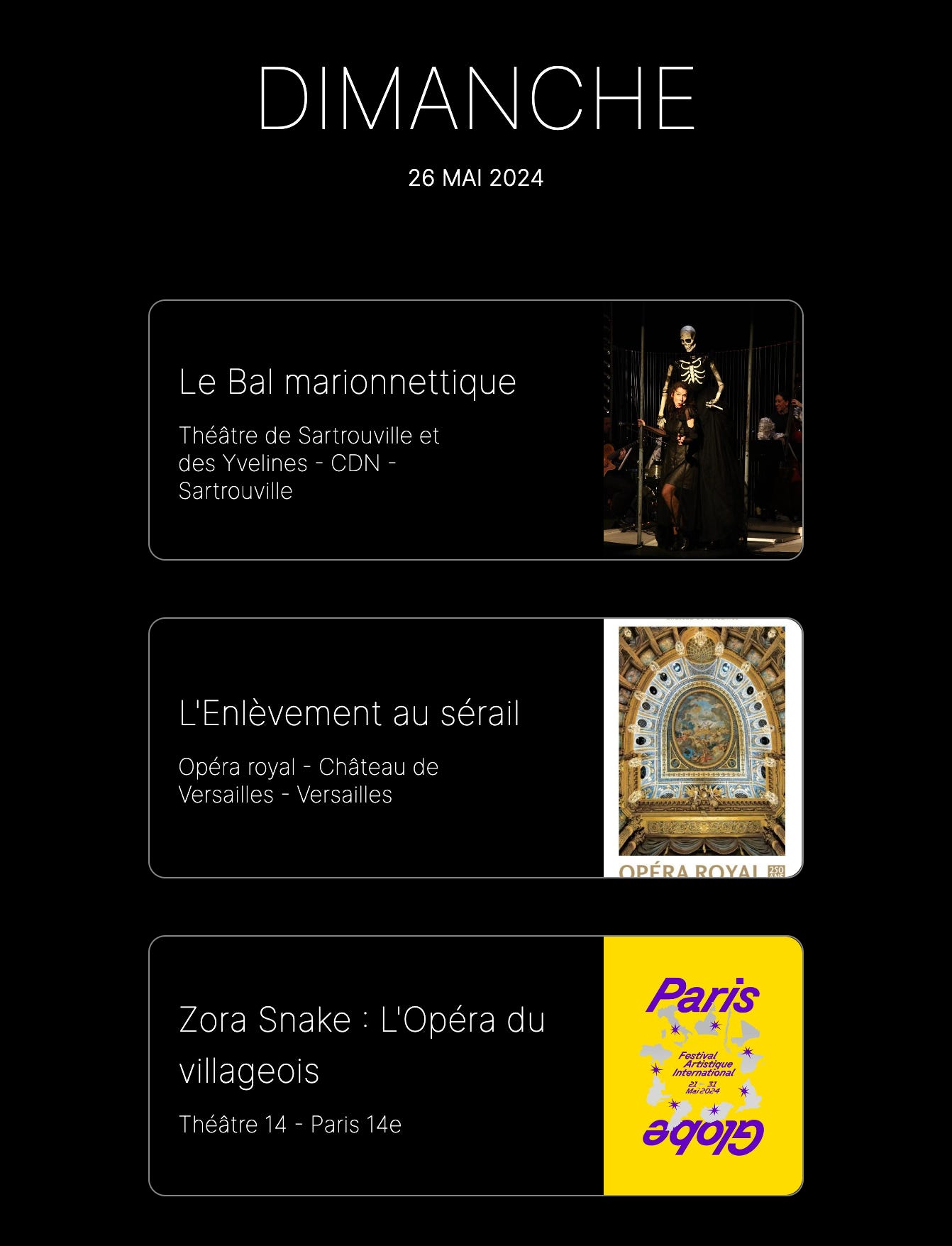
I made a tool that knocks on every stage door in Paris and makes a list of all of this week’s dance performances. See it at danceweek.org. This project relates to the AI Art Agent, but does a few things differently that are very interesting… instead of having a bunch of “web pages” it has one page that is dynamically generated with this week’s info pulled from the database. Also, instead of any templates or “low-code” builder tools, this is all raw HTML, CSS, and JS.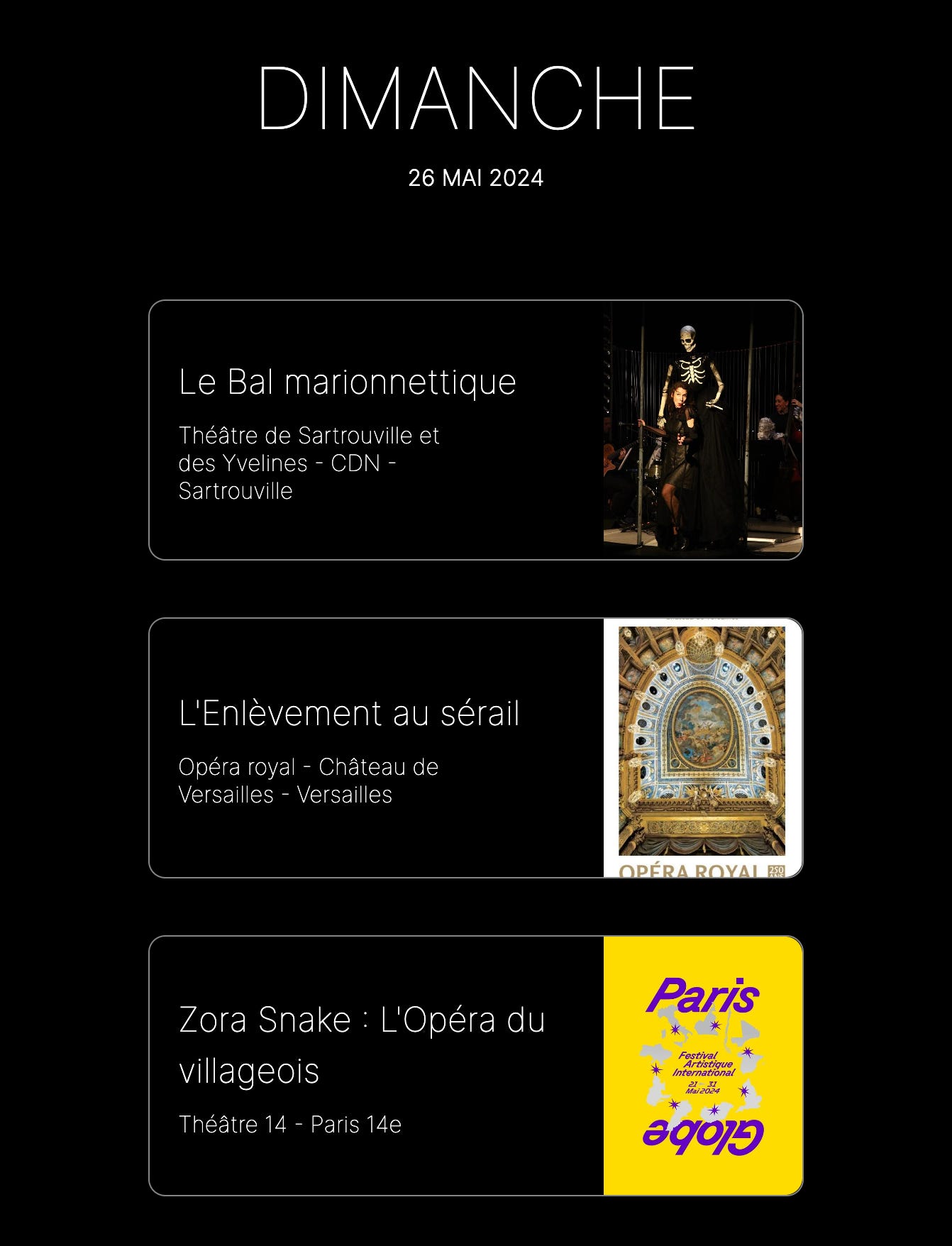
Cicero’s Gist
The second project I worked on recently was a chrome extension that summaries your current webpage. Think of mighty Cicero… that marvelous orator. Now think of the TLDR world of “what is the gist?”
Is there any in between?
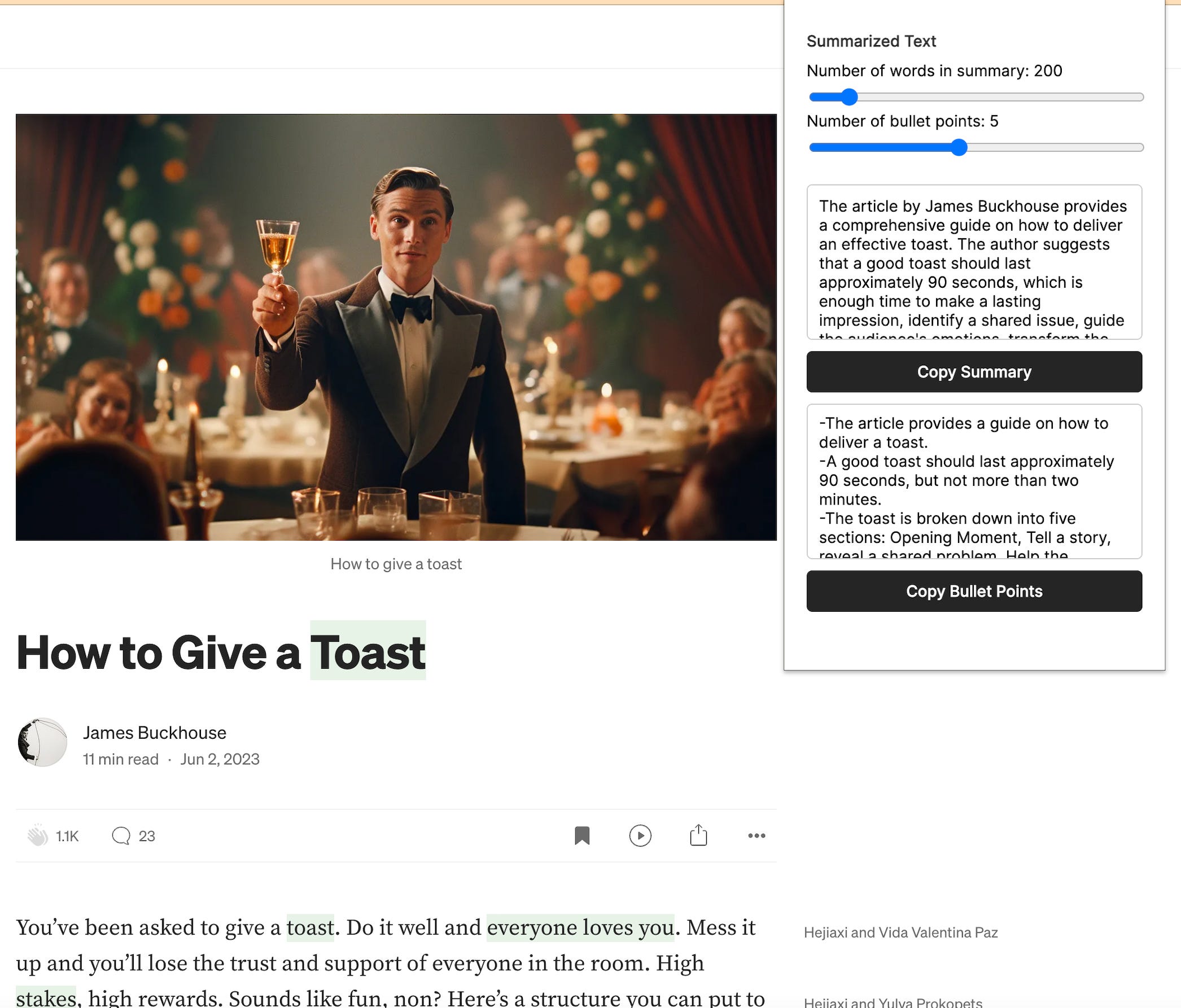
I created a Chrome Extension that pre-reads the webpage you’re on and then summarizes it. You can adjust the sliders to get a summary from 4-2000 words long. You can have 1-10 bullet points.https://twitter.com/buckhouse/status/1794847909781061809
Here is a screenshot of it at work on one of my more popular Medium articles.
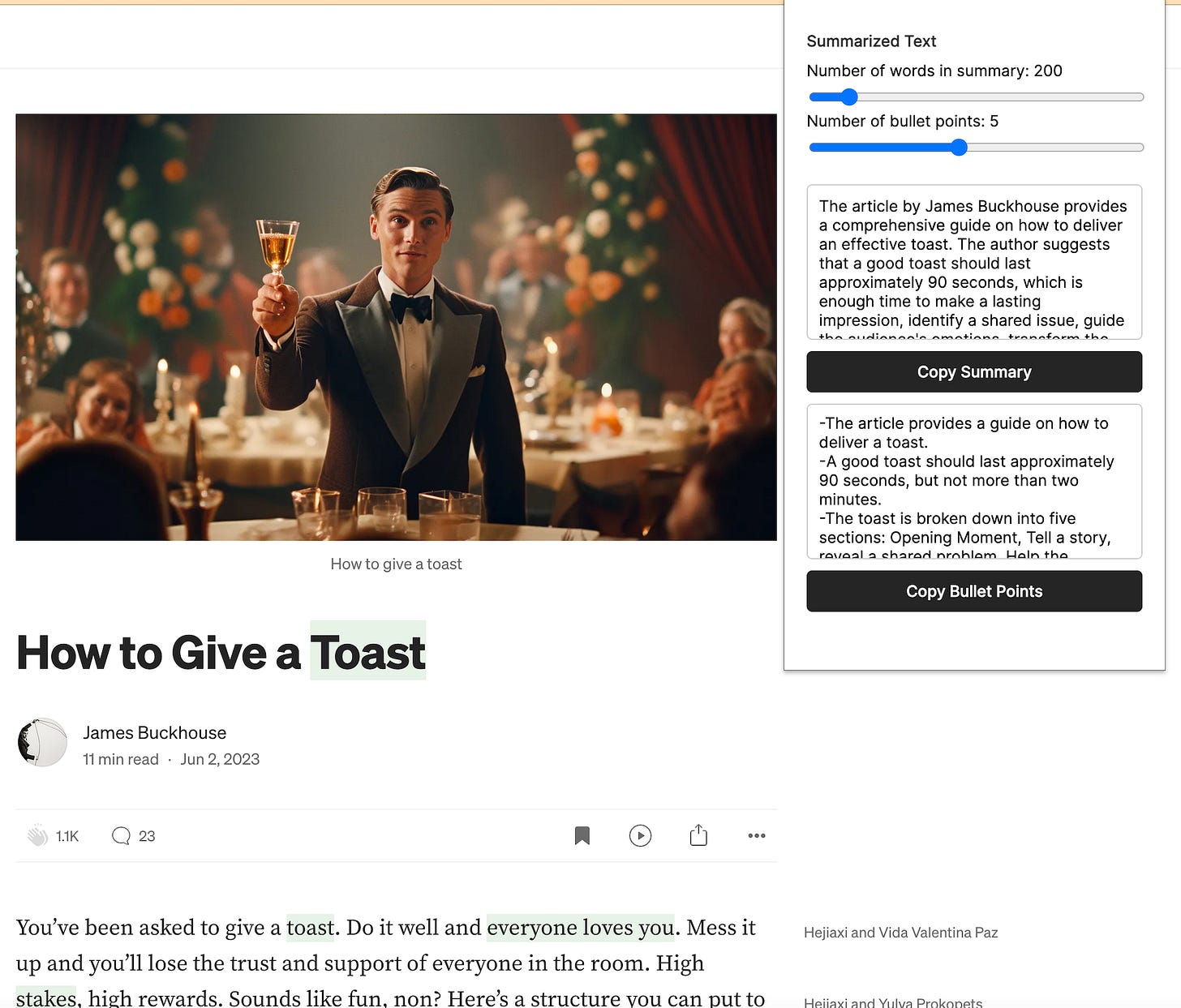
It’s quite fun to watch it work. I’m considering releasing a public version of this, but for now… it’s all private and local. And honestly, I kind of love that it’s personal software. I love the idea that we would make tools for ourselves. You chat away with your computer about what you are trying to build and in about as long as it takes to prepare and eat lunch, you’ve got a working tool.
Thanks for reading. If any of this was enjoyable to you, or lit a spark of imagination inside your mind, please reply to this email. I very much enjoy hearing your thoughts.
Do you have a friend who might enjoy this? Why not forward this newsletter to her or him? And say… I saw this and thought of you.
Also—if you run your own substack, please consider listing me as a recommended site? I’d really appreciate it. Thank you to the writers and substack managers who have listed me as a recommended site.