
Designing Fast and Slow
Protect the vibe. The mood matters.

Designing Fast and Slow
I read Thinking Fast and Slow last week. The book is full—absolutely stuffed—with a special combination of cognitive science, psychology, and behavioral economics to help explain why people make the decisions they do. It won the author a Nobel Prize in Economics and led to 2.7 million copies sold. The main idea of Thinking Fast and Slow was to help people make better decisions, to augment analytical work.
But what about creative work?
It got me excited about a companion exploration for creative people… a type of Designing Fast and Slow. This led me down a rabbit hole of looking for rigorously tested examples of cognitive science that could be applied to creative work.
As I find useful, helpful, or interesting examples I’ll start to share them.
This is the first one:
Here’s how it applies to creative work:
Mood Matters
The paper delivers a truth that every creative person has experienced, and yet it’s nice to have some empirical evidence to back it up: positive emotions increase creativity. If you are about to do creative thinking, divergent thinking, innovative problem-solving, or raw, weird, connect-the-dots-that-no-one-else-can-see kind of work, then it helps to enter the process in a happy mood. Great art can also come from other emotions, but for expansive, creative work like brainstorming or creative problem-solving, it’s best to be in a good mood.
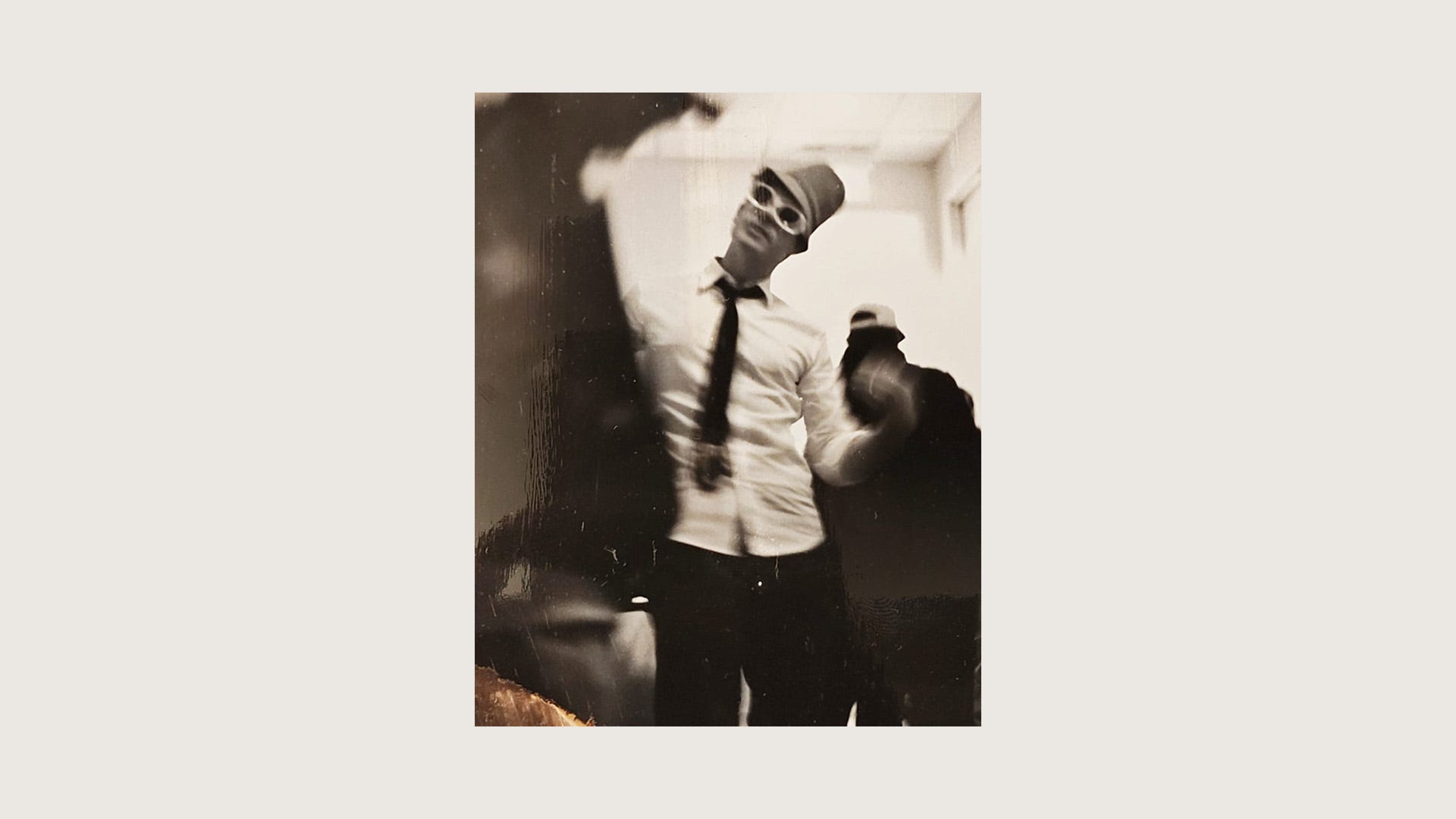
Try it! The next time you are about to do expansive, creative work, first take a moment to set the mood. Elevate your mood. Think joyous, happy thoughts. And if you can, smile. This last one is particularly strange. It seems you can get some of the same boost from putting your face into a smile-like formation as actually being happy. The body tells the brain how to feel, it seems.
Also, this paper sheds some light on why someone with a negative attitude can kill the mood (and creative output) of a creative session by being angry, negative, or combative. If you see someone bringing a negative attitude to a group brainstorm, intervene and adjust their vibe (or ask them to leave).
This reflects what I’ve experienced: a positive, enthusiastic, happy mood indeed arguments creativity and gets it flowing. Protect the vibe. The mood matters.
But how? Here are a few ideas to lift your mood before an expansive creative session:
Mind Movie
Close your eyes and think of a happy moment. Imagine yourself there, experiencing that moment all over again. Play the movie in your mind.Oprah’s Gratitude Attitude
I once attended an event where Oprah was a speaker. At one point, she explained her Gratitude Attitude technique, where she’d list out all the things she was grateful for. This included very small, very insignificant things, such as “I’m grateful for these clean towels in the hotel room.” This last bit was a revelation for me: you can choose to feel grateful for small, insignificant things. Gratitude is a mood enhancer. Try it! Be grateful for the towels.Mood Music
Why not put on music that makes you happy? Listen to songs that make you feel good. Dance around. Get into it. Enjoy yourself.Special Treat
Pre-game your creative session with a cup of tea or coffee or something to eat and take a deliberate moment to enjoy it. Be conscious of delighting in the warm feeling of the cup in your hands. You are doing this to get in a good mood so your creative session will be as productive as possible. Plan for an extra few minutes to get happy before you begin.Take a walk
Another way to get ready is to walk around the block. This one works so well it shows up in many of the different psychological studies. Walk around a return read to rock.Open your chest, open your mind
This one came from design legend Irene Au (thanks Irene!). Sit up and do a type of deep breathing where you focus on opening your chest, rotating your shoulders back, and have your chest rise up as you inhale. The deep chest-opening breathing can help you get into a good mood and get happy before a creative session.Habitual Ritual
Pick a few of these, or create your own, and then practice them as a pre-creative session ritual. Tell yourself that you are feeling in a good mood, and that you are so happy to have done your mood setting ritual before beginning.
The next time you are about to do creative work, set the mood first. Let me know if this works for you. Tell me your rituals. Just reply to this email.
Thanks for reading. If any of this was enjoyable to you, or lit a spark of imagination inside your mind, please reply to this email. I very much enjoy hearing your thoughts.
Do you have a friend who might enjoy this? Why not forward this newsletter to her or him? And say… I saw this and thought of you.
Also—if you run your own substack, please consider listing me as a recommended site? I’d really appreciate it. Thank you to the writers and substack managers who have listed me as a recommended site. Your trust means the world to me.
You’re getting this newsletter because at some point you signed-up on my Twitter Medium LinkedIn or Insta. Think of me as your favorite creative person on the internet, who always tries to give you something artful, helpful, and interesting.
24-Hour Story, Art, and Design Hotline
(call my Digital Mind and talk to AI-Buckhouse)
+1 (650) 675-5734
love this a lot, thank you so much it so interesting to apply these methods into design thinking
Love this article. Having run lots of brainstorms and workshops in my career, I naturally tried to get the team in a happy mood, without really thinking about. These mood improving exercises are fantastic!
Another thought I had since recently out looking for work after a layoff, these mood altering exercises would be just the right thing to stay resilient and do a good upbeat interview.